Automatic Bag-Unpacking System

From bag intake to powder conveyed into the silo — fully automated throughout, cutting labour costs and eliminating dust leakage.

Process Flow

A fully modular line whose units work in concert to automate powder handling from intake to silo.

1
Intake
2
Lifting
3
Unpacking
4
Screening
5
Dedusting
6
To Silo
皮带机连续式螺旋提升机间歇式往复提升机
Conveying Equipment

Belt & Bucket Conveyors

Flexible selection to suit the process layout — three configurations for different line requirements.

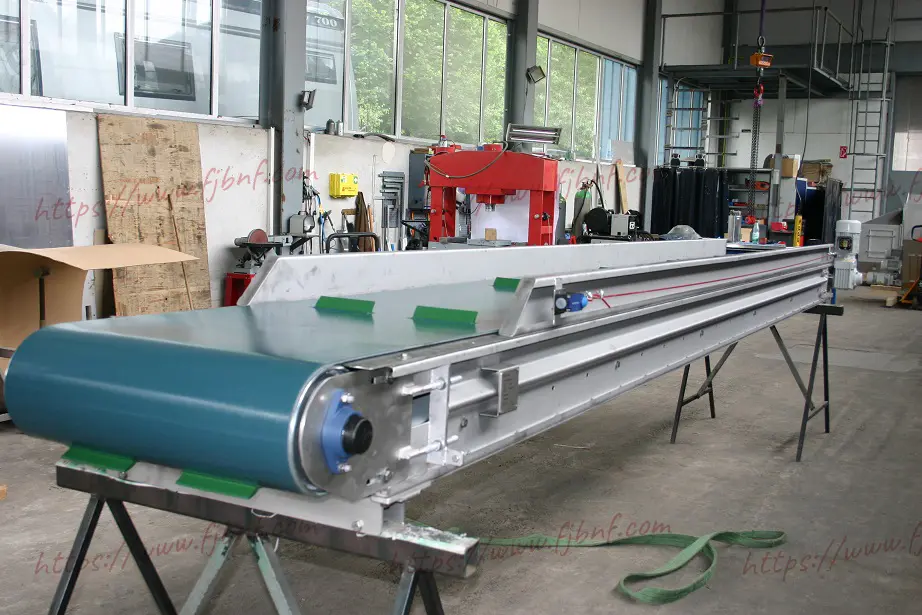
Belt conveyor
Horizontal or low-incline conveying, ideal for material pre-staging and bag handling
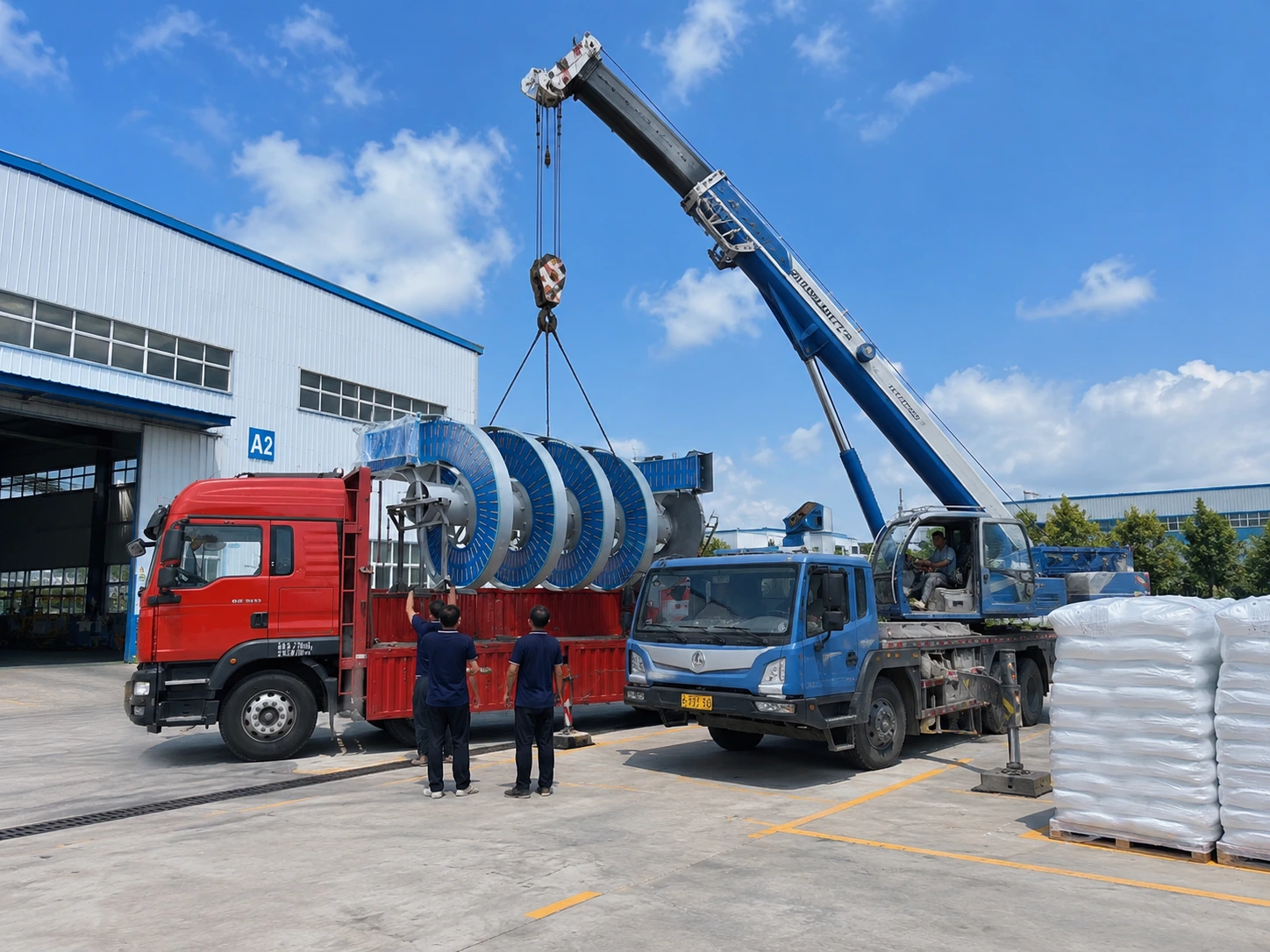
Continuous screw lift
Vertical continuous lifting, ideal for high-throughput bulk-solid feeding
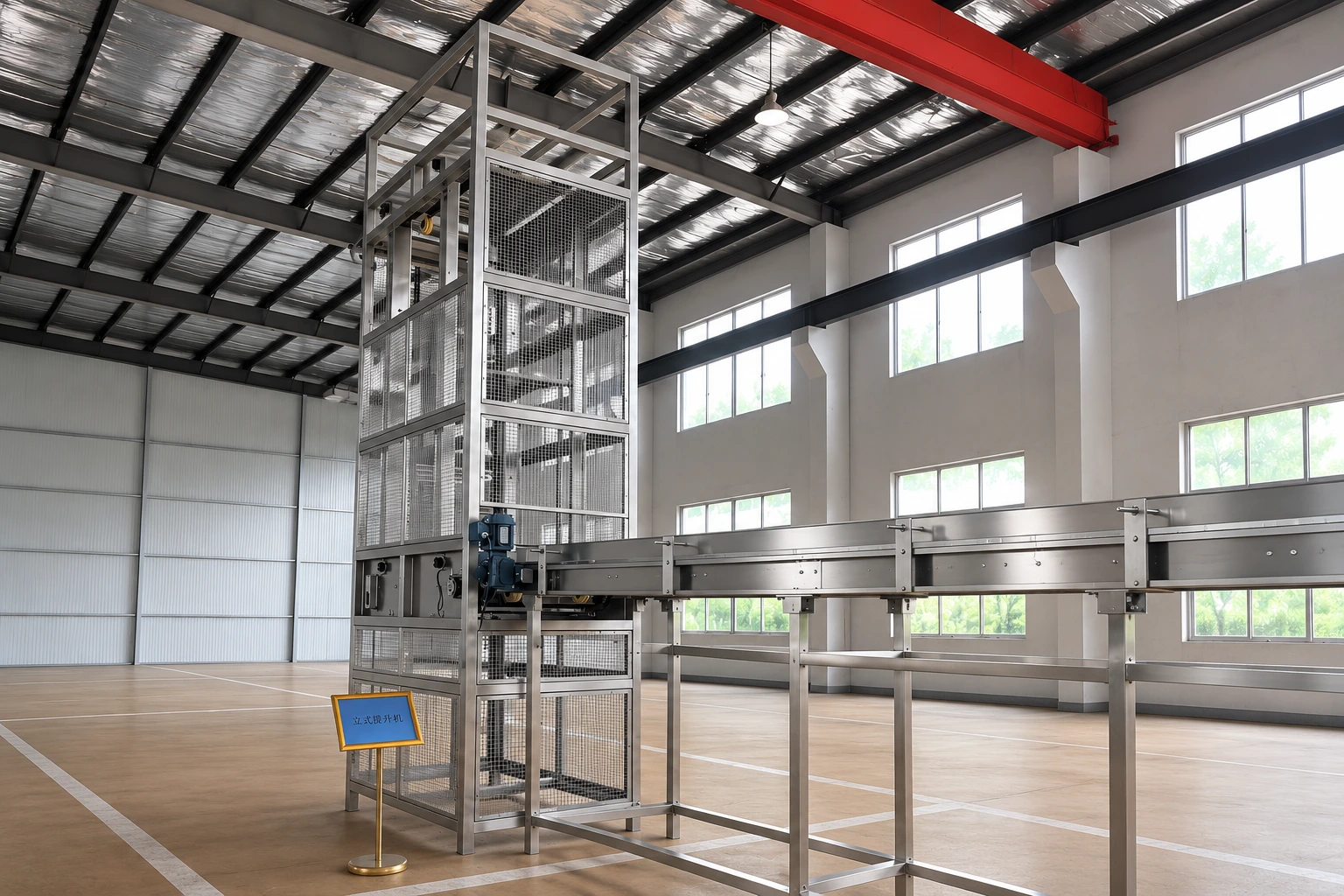
Intermittent reciprocating lift
Reciprocating tray lift, ideal for confined-space layouts
Core Equipment

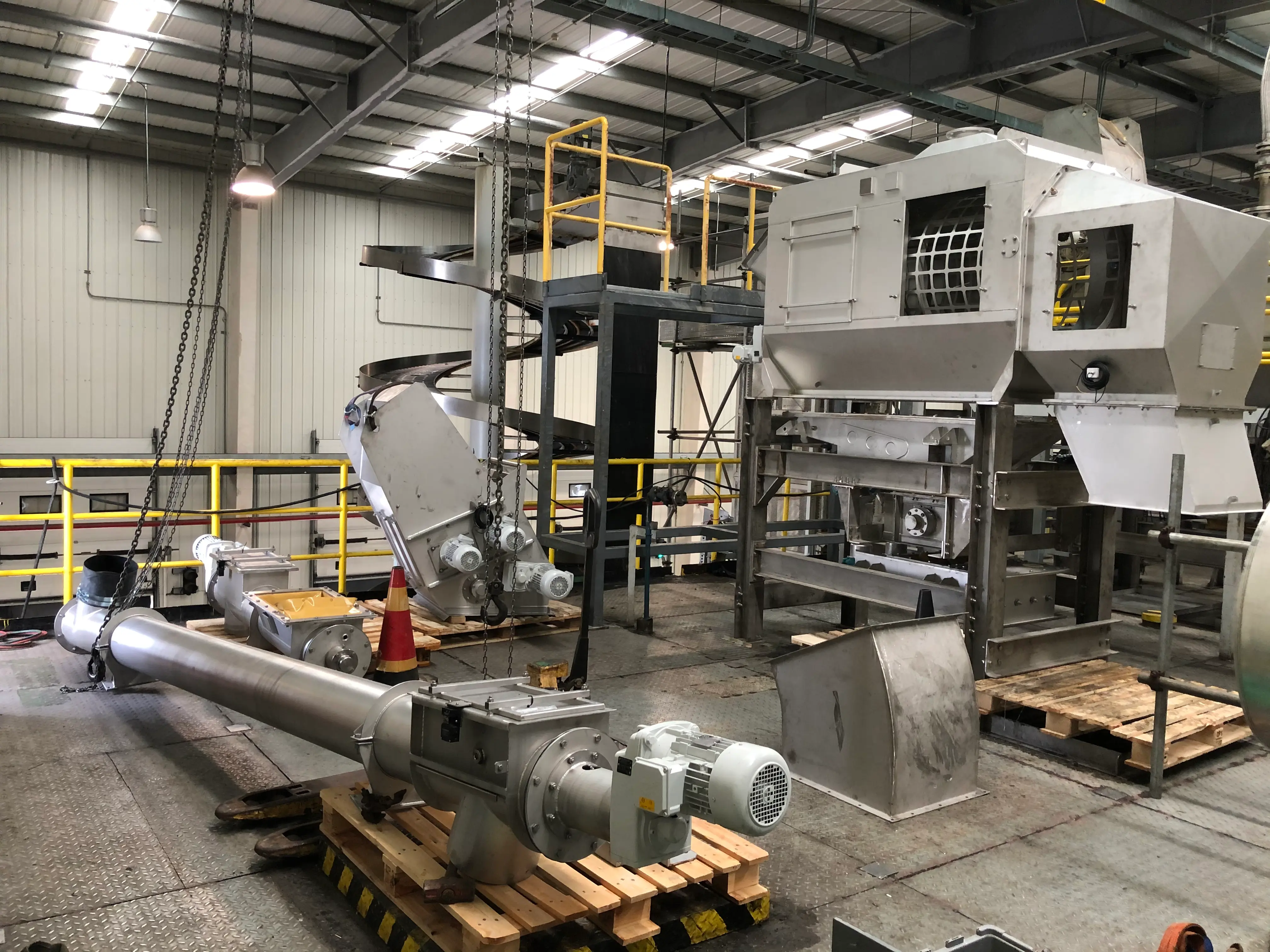
Automatic Bag Slitter

Automatically cuts, opens and discharges bagged material; the sealed structure prevents dust escape.

Bag types Woven / kraft-paper / double-layer
Bag sizes 25–50 kg / 500–2000 kg
Throughput 300–1200 bags/hour
Automatic Bag Slitter
FAQ

Automatic bag-unpacking systems — what you may want to know

The BONAFEI automatic bag unpacking system handles a wide range of bag types: small bags (5–50 kg) including paper sacks, PE laminate bags, and woven polypropylene bags, as well as big bags / bulk bags (500–2000 kg, FIBC). Compatible materials include fine powders (fumed silica, TiO₂, carbon black), granules (polymer pellets, fertiliser), and hygroscopic or temperature-sensitive materials that require dust-free, sealed handling.
BONAFEI unpacking systems use a multi-barrier approach to dust containment: ① Negative-pressure sealed enclosure — the bag cutting and discharge zone operates under maintained negative pressure (–50 to –100 Pa) so any released dust is drawn inward, not outward; ② Integral dust filter — a self-cleaning pulse-jet filter captures fine particles before exhaust; ③ Bag spout clamp & seal — for big bags, a pneumatic clamp seals the spout to the discharge tube before the bag is opened; ④ Bag compactor — empty bags are compacted in a sealed chamber to expel residual powder before removal.
BONAFEI systems incorporate multiple anti-bridging features: ① Pneumatic vibrators on the hopper walls to break incipient bridges; ② Break-arch air jets / fluidising pads at the discharge cone to fluidise settled material; ③ Massage / kneading pads on the big-bag frame that periodically squeeze the bag to promote flow; ④ Variable-speed discharge screw or rotary valve for controlled, metered discharge. For severely cohesive materials, BONAFEI can conduct material flowability tests and recommend the optimum combination of features before system design is finalised.
Typical throughput for a small-bag unpacking line is 200–600 bags/hour (bag weight dependent). For big-bag systems, practical throughput is governed by the discharge rate of the downstream process, typically 2–8 tonnes/hour per station. Bag breakage rate (incomplete puncture or torn bags) is controlled by a servo-driven cutting mechanism with adjustable penetration depth; target rate ≤ 0.5%. Material residue in empty bags is minimised by the massage and vibration mechanisms; residue is typically ≤ 0.3% of bag fill weight.
Empty bags exit through a sealed bag compactor that compresses them to ≤ 1/5 of original volume before passing through a double-seal gate to a collection bin — minimising residual dust. To prevent cross-contamination: ① the enclosed discharge path uses smooth, polished stainless steel surfaces that are easy to clean; ② quick-release clamp connections allow rapid exchange of contact parts between product changeovers; ③ CIP (clean-in-place) spray nozzles are available as an option for washdown between batches where required by GMP.
Custom Solution

Need a system tailored to your line?

From process consulting and equipment selection to full-line integration — we respond within 24 hours on business days.

Contact Us

扫码添加微信

微信 / WhatsApp:+86 186 5071 2596